Guided vs Solo Everest Base Camp Trek
- soleencounters
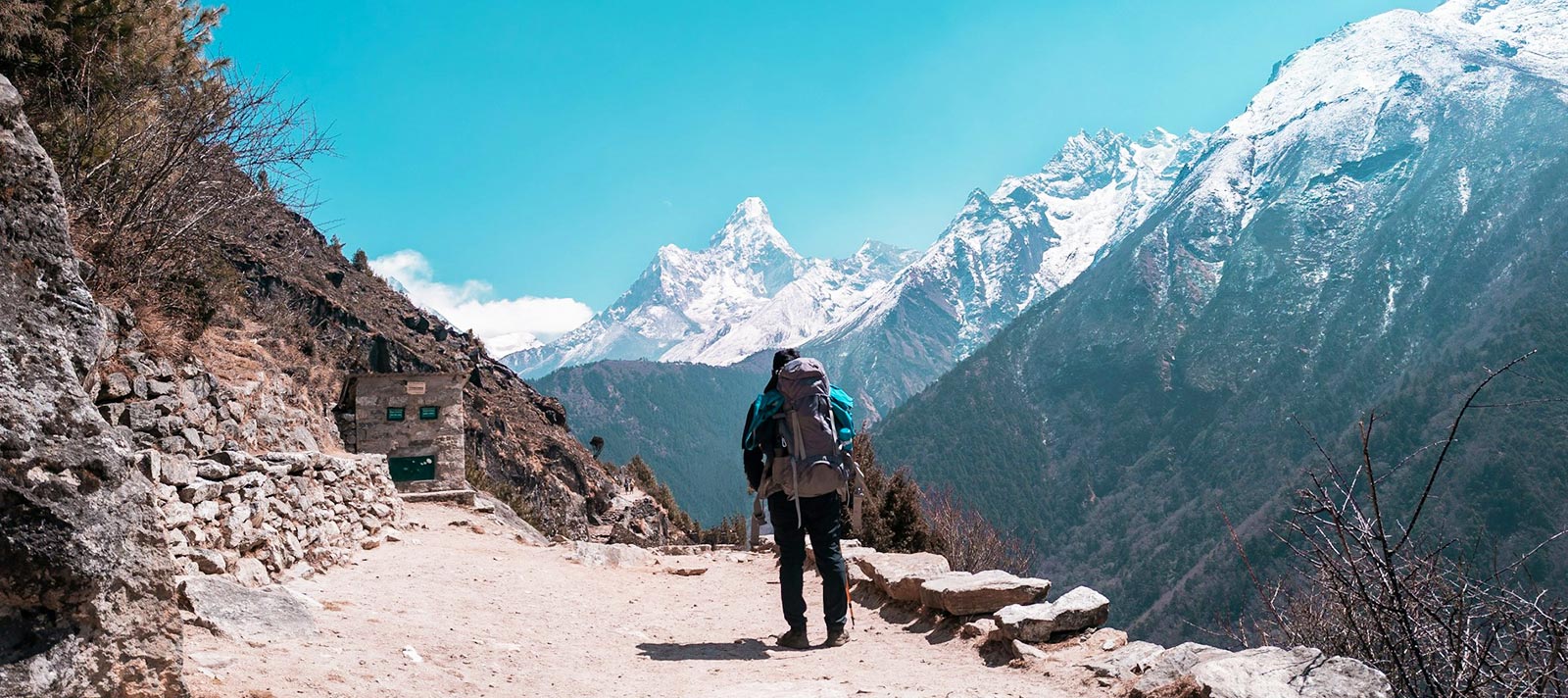
Trekking to Everest Base Camp is one of the world’s most iconic adventures—but before you lace up your boots, a crucial question arises: Should you go solo or hire a guide?
Table of Contents
The choice between guided vs solo trekking to Everest Base Camp not only affects your overall experience but also determines your safety, navigation ease, and compliance with Nepal’s updated trekking regulations. In 2023, Nepal implemented a new rule requiring all foreign trekkers to hire a licensed guide or porter-guide for treks in national park areas, including the Everest region.
In this detailed blog, Sole Encounters Trekking Pvt. Ltd. breaks down everything you need to know: the pros and cons of trekking solo vs guided, what the law says, and why hiring a guide can make your EBC journey more enriching and safe.
Explore our recommended Everest Base Camp Trek itinerary to understand how we support trekkers from start to summit.
Is It Legal to Trek to Everest Base Camp Solo?
As of April 1, 2023, the Nepal Tourism Board made it mandatory for foreign trekkers to hire a licensed trekking guide for all treks in Nepal’s national park and conservation areas. This includes the Sagarmatha National Park, which encompasses the Everest Base Camp Trek route.
While the Khumbu Pasang Lhamu Rural Municipality still manages its own entry permit system (Khumbu Trek Card), and some independent trekkers may try to bypass guides in this region, it’s highly discouraged—and noncompliance can lead to being stopped at checkpoints or denied further passage.
Bottom Line: For your safety, legal compliance, and peace of mind, hiring a certified guide is now the standard for EBC treks.
Pros of Trekking with a Guide
Hiring a local, licensed guide from a reputable company like Sole Encounters offers many advantages beyond safety. Here's why guided treks are worth it:
1. Safety and Emergency Support
-
Trained guides monitor your health, especially signs of altitude sickness.
-
In case of emergencies, they coordinate rescues, evacuations, or treatment efficiently.
-
Familiarity with the terrain reduces risks of getting lost or stranded.
2. Cultural & Local Insights
-
Learn about Sherpa culture, monasteries, festivals, and geography from a knowledgeable local.
-
Language barriers are less of a concern with a bilingual guide facilitating communication.
3. Logistics & Convenience
-
All permits (like Sagarmatha National Park Permit and Khumbu Trek Card) are arranged for you.
-
Accommodation is pre-booked, especially helpful during peak trekking seasons.
-
Guides handle teahouse negotiations, help with food, and even advise on rest days.
4. Better Acclimatization Planning
-
Guides follow tried-and-tested itineraries, ensuring proper altitude gains and rest stops.
-
They adjust the pace based on your physical condition and trek response.
5. Boosts Local Economy
-
Hiring a guide contributes directly to local livelihoods and supports sustainable tourism in the Khumbu region.
Check out our expert-led Everest Region Treks for fully guided, safe trekking adventures.
Cons of Guided Trekking
While the benefits are significant, there are a few aspects some trekkers may see as drawbacks:
-
Slightly higher cost compared to independent trekking.
-
Less flexibility if you prefer spontaneous route changes or solo exploration.
-
You must coordinate your pace and preferences with another person.
However, with experienced companies like Sole Encounters, guided treks are still highly personalized to your pace, interests, and physical ability.
Pros of Trekking Solo (Before 2023 Regulation)
Before the new rule, many adventurous trekkers enjoyed the freedom of trekking solo. Some of the appealing factors included:
-
Total flexibility in pace, schedule, and itinerary.
-
Cost savings by managing your own permits, transport, and accommodations.
-
A sense of independence and self-reliance.
But while romanticized by some, the solo EBC trek came with significant risks, especially at high altitudes.
Cons of Solo Trekking
-
Altitude sickness risk is higher without someone to monitor you.
-
Navigation issues, especially in bad weather or off-peak seasons.
-
In emergencies (injury, illness, bad weather), help may be hours or days away.
-
No cultural interpretation or local interaction support.
-
Difficulty finding accommodation during high season.
Trekking Costs: Guided vs Solo
Here’s a brief cost comparison for a 15-day Everest Base Camp Trek:
| Expense Category | Guided Trek (via Agency) | Solo Trek (Pre-2023) |
|---|---|---|
| Permits (TIMS, Park Fee, Khumbu Card) | Included | ~$60 USD |
| Guide & Porter | Included | Optional |
| Flights (Kathmandu–Lukla RT) | Included or ~$300 USD | ~$300 USD |
| Accommodation | Included or ~$8–15/night | ~$8–15/night |
| Meals (3/day) | Included or ~$25–40/day | ~$25–40/day |
| Safety Gear & Logistics | Covered | Self-managed |
See our detailed blog on Everest Base Camp Trek Cost Breakdown
Updated Trekking Permit & Guide Regulations (2025)
For 2025, these are the latest regulations for Everest Base Camp:
-
Guides are mandatory for foreign nationals.
-
Sagarmatha National Park Permit: NPR 3,000 (approx. USD 25)
-
Khumbu Pasang Lhamu Rural Municipality Permit: NPR 2,000 (approx. USD 17)
-
TIMS Card is no longer required for EBC, replaced by the Khumbu Card.
-
Trekking without a registered guide can lead to denial of permits and access at checkpoints.
What Type of Guide Should You Hire?
Sole Encounters provides licensed, insured, and experienced local guides who:
-
Are trained in first aid and altitude awareness
-
Speak English and know multiple dialects of the region
-
Handle all logistics, permits, and accommodation
-
Offer personalized service based on your fitness and expectations
We also provide porters or porter-guides for added support and comfort.
Our Verdict: Guided Trekking Wins in 2025
Given the current regulations, safety concerns, and the unmatched value of cultural insight, hiring a guide for your Everest Base Camp Trek is no longer just a good idea—it’s the best and legally required way to do it.
With Sole Encounters Trekking, you’re not just hiring a guide—you’re gaining a trusted travel partner who ensures your journey is safe, enriching, and unforgettable.
Conclusion: Plan Smart, Trek Safe
While solo trekking to Everest Base Camp once offered freedom, today’s landscape favors the guided experience—for legal reasons, safety assurance, and deeper local connection.
If you’re looking for a stress-free, authentic, and safe adventure to Everest Base Camp, choose a guided trek with Sole Encounters Trekking Pvt. Ltd.
✅ Explore our Everest Base Camp Trek
📞 Talk to Our Experts
📩 Have more questions? Contact us here
Let our team handle the details—so you can focus on reaching the base of the world’s highest mountain.
Recent Posts
.jpg)
3rd Jul, 2025
.jpg)
4th Jul, 2025
.jpg)
4th Jul, 2025
.jpg)
7th Jul, 2025
.jpg)
8th Jul, 2025
.jpg)
8th Jul, 2025
.jpg)
8th Jul, 2025

10th Jul, 2025